
An AR filter, also called an effect or lens, is a camera effect that adds digital content to photos and video in real time, from face masks to 3D objects in the room. Filters made for social apps live inside those apps; web-based filters open from a link in any phone browser.
Also known as: AR effect, lens, social AR filter, Instagram filter, Snapchat lens, TikTok effect

Crown Energizing Maskal Mate by LMDesigns8, MASK at ICANN87, Bali, 2026

Crying Dragon by Clara Bacou, on a waterside walkway
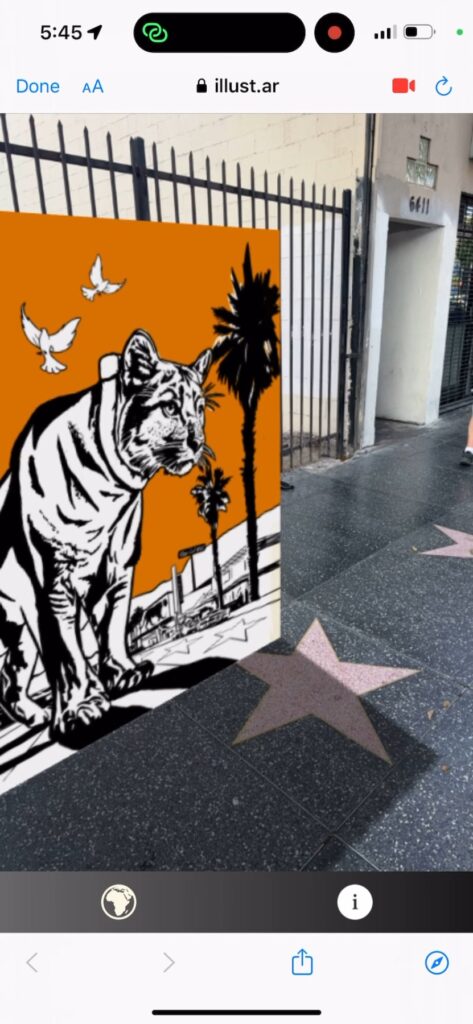
Corie Mattie's P-22 mural, animated in the phone's browser
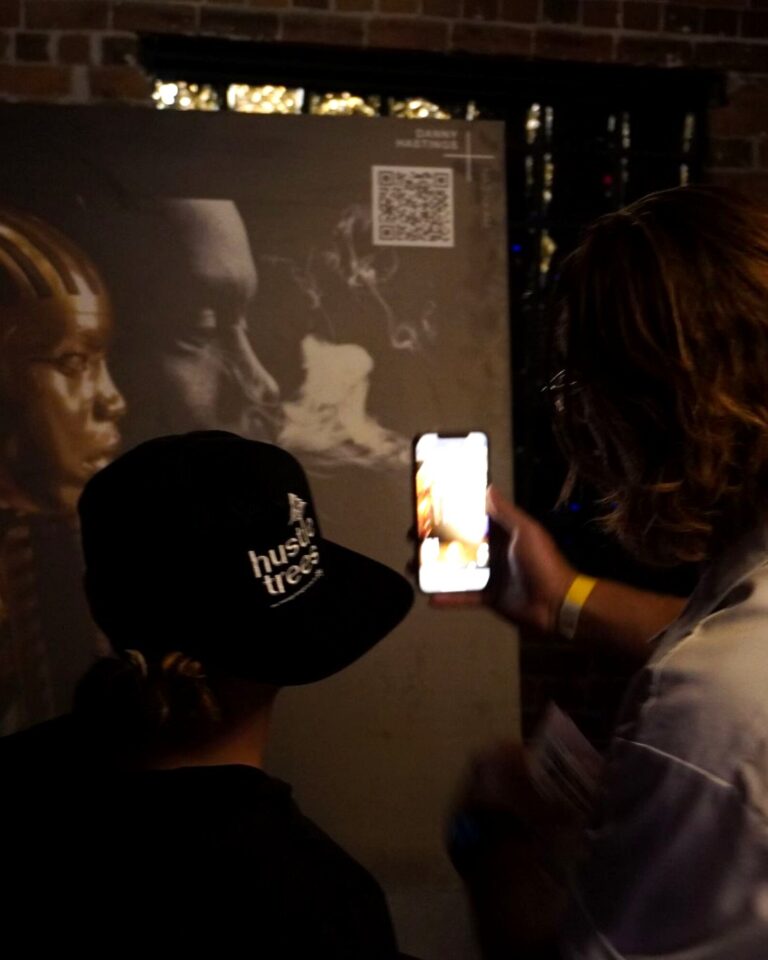
Cultur-ill with Curaleaf, Phoenix, 2023
All four examples above were produced through illust.
How it works
Social filters are built in platform tools such as Snapchat's Lens Studio or TikTok's Effect House and distributed through that app's camera. Web filters are built in WebAR tools and shared like any link.
How it works in illust
illust filters are browser-based Face, World and Image Target effects shared by link, QR code or NFC, so they can go on posters, merch, venues and bios, not just inside one app.
Key facts
- Meta removed all third-party Spark AR effects from Instagram, Facebook and Messenger on January 14, 2025 (Meta).
- Spark AR had more than 400,000 creators in 190 countries by 2020 (Social Samosa).
Watch
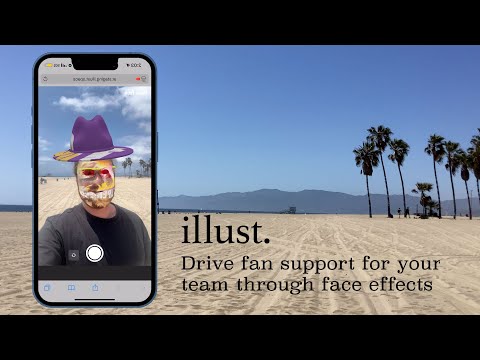
Related videos
FAQ
Can I still make Instagram filters?
No; Meta ended third-party Instagram and Facebook effects in January 2025. Browser-based filters shared by link are the closest replacement for reaching an Instagram audience.
Social filter or web filter?
Use a social filter if you want people creating content inside one app. Use a web filter if it should open from anywhere (posters, packaging, events) without an account.